

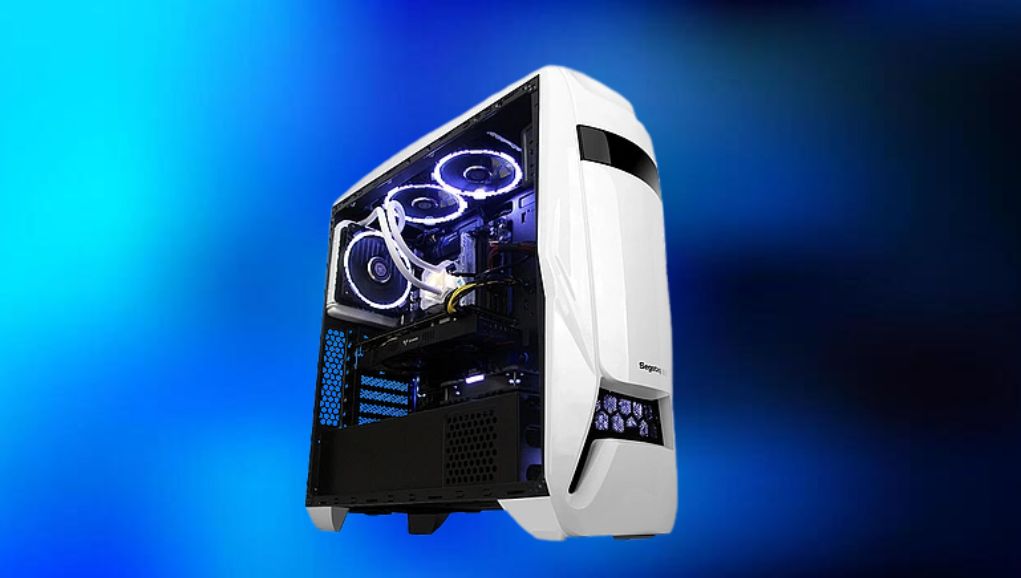
A white gaming PC offers a perfect balance of performance, style, and durability, making it ideal for gamers and creators. It typically features 8–16 core processors with boost speeds over 5.2 GHz, paired with 16–32GB of DDR4 or DDR5 RAM for fast multitasking. High-end GPUs with 8–16GB of GDDR6 memory deliver 144–240 FPS at 1080p or 1440p, while 1–2TB NVMe SSDs ensure rapid load times. For a closer look, see Outdoor Kitchen.
Advanced air or liquid cooling systems maintain temperatures between 60°C and 80°C, and modular 650–850W power supplies provide stable energy. With Wi-Fi 6, Bluetooth 5.2, Windows 11, customizable RGB lighting, and 7.1 surround audio, the white gaming PC combines legacy performance, upgrade flexibility, and immersive design for competitive and creative users alike.
| Basics | Spec |
| Chassis Type | Powder-coated steel mid/full tower |
| Side Panels | Tempered glass with reinforced brackets |
| CPU | 8–16 cores, boost 5.2GHz+ |
| Chipset | PCIe Gen4/Gen5 compatible motherboard |
| GPU | 8–16GB GDDR6, ray tracing support |
| Frame Rate | 144–240 FPS 1080p/1440p gaming |
| RAM | 16–32GB DDR4/DDR5, dual-channel |
| Expandable Memory | Up to 64GB possible upgrade |
| Storage | 1–2TB NVMe SSD, high-speed |
| Extra Storage | SATA HDD/SSD bays beyond 4TB |
| Cooling | Air/liquid 240–360mm radiator setup |
| PSU | 650–850W modular, 80 Plus Gold |
| Connectivity | Wi-Fi 6/6E, Bluetooth 5.2, 2.5Gb Ethernet |
| OS | Windows 11 64-bit, DirectX 12 Ultimate |
| Lighting | Addressable RGB, software-controlled effects |
| Audio | 7.1 HD sound, optical/USB jacks |
Chassis Structure and Exterior Finish
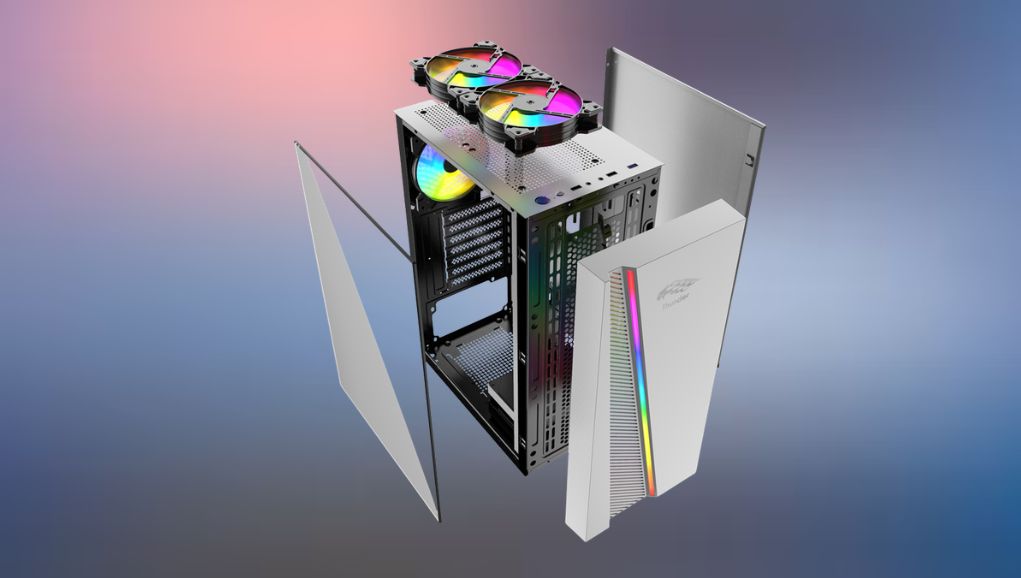
Premium mid-tower and full-tower cases feature powder-coated steel frames, tempered glass side panels, and reinforced PCIe brackets for durability. Standard dimensions support ATX, Micro-ATX, and Mini-ITX motherboards. Integrated cable channels and Velcro straps improve airflow efficiency. Pre-installed 120mm or 140mm fans enhance ventilation, while removable dust filters protect internal components from debris buildup.
Core Processing Power in a White Gaming PC
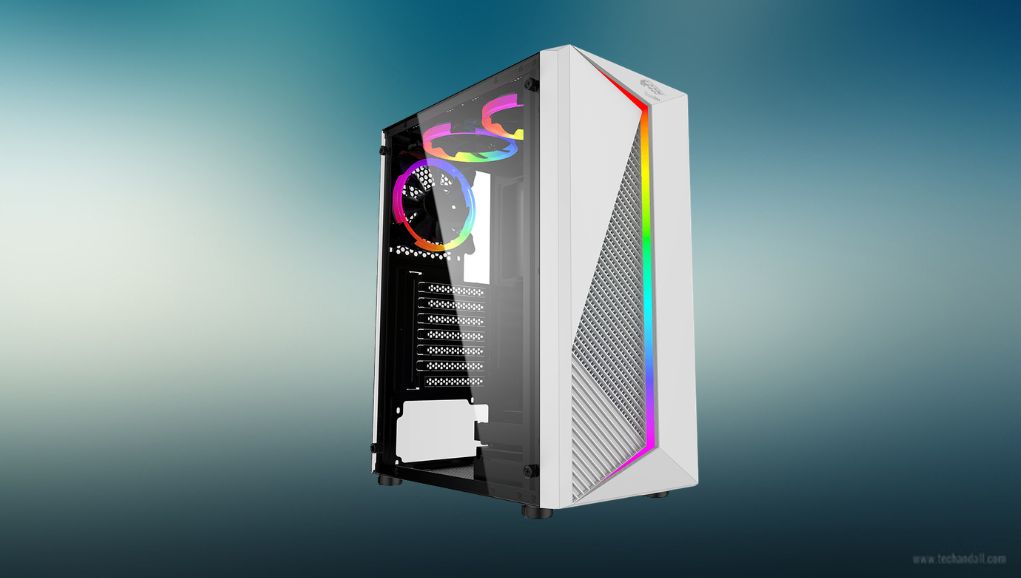
A white gaming PC typically uses 8- to 16-core processors with boost clocks exceeding 5.2GHz. These CPUs support multi-threaded workloads, making them ideal for gaming, streaming, and editing. Paired with advanced chipsets, they support PCIe Gen4 or Gen5. Efficient architecture ensures stable performance under demanding tasks while maintaining balanced thermal output during prolonged sessions.
Graphics Performance
Dedicated graphics cards with 8GB, 12GB, or 16GB GDDR6 memory enable high-detail textures and real-time ray tracing. Frame rates can reach 144–240 FPS in competitive titles at 1080p or 1440p resolution. HDMI 2.1 and DisplayPort 1.4 connections support high-refresh displays. Power draw typically ranges between 200W and 350W under intensive gaming loads.
Memory Configuration
A white gaming PC often includes 16GB or 32GB of DDR4 or DDR5 RAM, operating at 3200MHz to 6000MHz. Dual-channel configurations enhance bandwidth and responsiveness. Expandable memory slots allow upgrades up to 64GB or higher. Increased capacity improves multitasking performance, supports demanding software, and ensures smoother gameplay in modern, resource-intensive releases.
Storage Speed and Capacity Options

- Primary storage usually consists of 1TB or 2TB NVMe solid-state drives with read speeds above 3,000MB/s, while PCIe Gen4 drives may exceed 7,000MB/s.
- Additional SATA SSD or HDD bays provide extended storage beyond 4 TB of total capacity.
- Fast storage reduces boot times, accelerates file transfers, and improves overall system responsiveness.
Cooling Technology
A white gaming PC may include air coolers with copper heat pipes or liquid-cooling systems with 240mm, 280mm, or 360mm radiators. PWM fans automatically adjust speed based on temperature sensors. Under heavy gaming stress, processor temperatures typically remain between 60°C and 80°C, ensuring stable operation and extended hardware longevity.
Power Supply
High-quality builds integrate 650W to 850W fully modular power supplies rated 80 Plus Gold or Platinum. These units deliver stable voltage output and include overcurrent, overvoltage, and short-circuit protection. Efficient energy conversion reduces wasted heat. Peak consumption during gameplay generally ranges from 400W to 650W, depending on graphics and processor configuration.
Connectivity Features
- A white gaming PC generally provides Wi-Fi 6 or 6E, Bluetooth 5.2, and 2.5Gb Ethernet for consistent online connectivity.
- Rear panels include USB 3.2 Gen 1, Gen 2, and USB-C ports.
- Integrated audio chipsets support high-definition surround sound.
- Multiple PCIe slots allow installation of capture cards or additional expansion hardware.
Operating System
Most systems come pre-installed with Windows 11 64-bit, supporting DirectX 12 Ultimate and advanced driver optimisation tools. Firmware updates improve compatibility and stability. Recommended specifications for modern games include 16GB of RAM, SSD storage, and graphics cards with at least 8GB of VRAM to maintain smooth performance at higher settings.
RGB Lighting and Visual Customization
Addressable RGB lighting systems allow synchronised effects across fans, memory modules, and cooling blocks. Software control enables colour profiles, brightness adjustment, and pattern customisation. Many builds support motherboard-based lighting ecosystems for unified control. Tempered glass panels highlight internal illumination, creating a premium display setup suitable for streaming environments and modern desk aesthetics.
Upgrade Potential
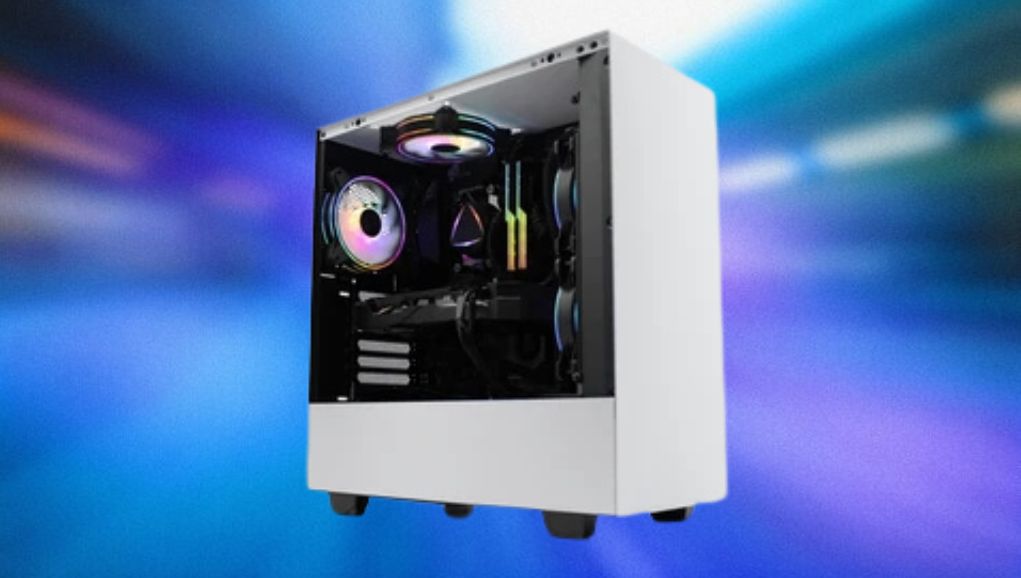
A white gaming PC often includes spare RAM slots, additional M.2 connectors, and multiple PCIe expansion lanes for long-term upgrades. Support for next-generation processors and graphics standards ensures adaptability. Spacious internal layouts accommodate larger GPUs and advanced cooling systems. This expandability extends usability, protecting investment as performance demands increase over time.
Audio Performance and Peripheral Integration
High-definition onboard audio chipsets support 7.1 surround sound with low signal interference. Front and rear 3.5mm jacks, optical outputs, and USB ports enable versatile headset and speaker connections. Low-latency drivers enhance communication clarity during multiplayer sessions. Dedicated software allows sound profile adjustments, improving immersion, directional awareness, and overall competitive advantage.
Conclusion
A white gaming PC combines cutting-edge specifications with a sleek design, offering 8–16-core processors, 16–32GB DDR4/DDR5 RAM, and 8–16GB GDDR6 graphics for smooth 144–240 FPS gameplay. Storage includes 1–2 TB NVMe SSDs, with expandable SATA options beyond 4 TB.
Advanced 240–360mm cooling, modular 650–850W PSUs, Wi-Fi 6, Bluetooth 5.2, Windows 11, customizable RGB lighting, and 7.1 surround sound ensure reliable, high-performance, and immersive gaming. This white gaming PC delivers long-term upgrade potential and premium performance for competitive and creative users alike.
Want to know about Xbox Controllers: Elite Performance, Precision Engineering, and Next-Level Gaming Control Experience Check out our Gaming category.
FAQs
Systems often include 8–16 core CPUs with boost speeds over 5.2GHz, capable of handling multi-threaded workloads for gaming, streaming, and creative software without thermal instability during extended sessions.
Dedicated graphics cards with 8–16GB GDDR6 memory enable real-time ray tracing and high-detail textures, delivering 144–240 FPS at 1080p or 1440p resolutions for smooth competitive gameplay.
High-performance builds include 16–32GB DDR4 or DDR5 RAM, often dual-channel. Expandable slots allow upgrades up to 64GB, improving multitasking, demanding software performance, and modern game responsiveness.
Primary storage consists of 1–2 TB NVMe SSDs with read speeds above 3,000 MB/s, while additional SATA HDD or SSD bays provide total storage capacity exceeding 4 TB.
Systems feature air or liquid cooling with 240–360mm radiators, PWM fans, and temperature-based speed control, keeping CPUs between 60°C and 80°C for stable, long-term operation.