

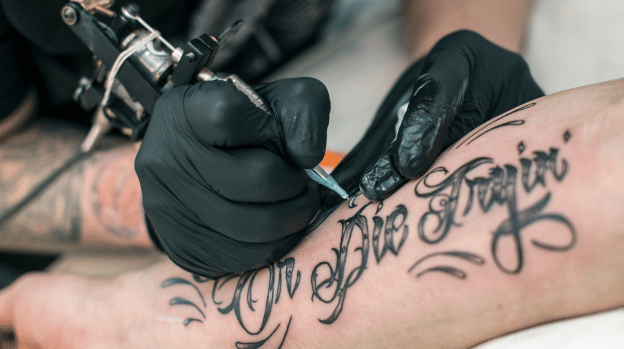
Learning how to become a tattoo artist is both an exciting and challenging process that requires a combination of creativity, discipline, and practical experience. It begins with developing strong artistic skills, drawing, shading, and mastering various styles such as traditional, realism, neo-traditional, tribal, and abstract designs.
Aspiring tattoo artists should dedicate time to practicing consistently and exploring digital design tools such as Procreate or Photoshop to create detailed tattoo concepts. The next step in learning how to become a tattoo artist is securing an apprenticeship with an experienced professional, which provides hands-on experience, teaches proper use of tattoo machines, and instills the importance of hygiene, sterilization, and client safety.
During this period, apprentices also gain exposure to the business side of tattooing, including pricing, appointment management, and studio operations. After completing an apprenticeship, building a strong portfolio is crucial for showcasing your unique style and attracting clients or studio opportunities.
| Topic | Key Points | Importance |
| Artistic Skills | Master drawing, shading, proportions, perspective; practice styles like realism, traditional, neo-traditional, tribal, blackwork, geometric; use digital tools (Procreate, Photoshop). | Essential for creating high-quality, versatile tattoo designs. |
| Apprenticeship | Learn from experienced artists, practice on synthetic skin, understand hygiene and safety, client communication, and shop operations. Duration: 1–3 years. | Provides hands-on experience and prepares for professional tattooing. |
| Certifications & Licenses | Health & safety certifications (bloodborne pathogens, first aid), local licensing, compliance with regulations. | Legal and safe practice protects clients and the artist’s reputation. |
| Portfolio | Include high-quality images, a variety of styles, custom and original designs; use digital platforms (Instagram, TikTok, website). | Attracts clients, studios, and opportunities for career advancement. |
| Career Path | Join studios, freelance independently, and attend conventions. | Offers professional exposure, networking, and career flexibility. |
| Equipment & Techniques | Tattoo machines (coil, rotary, pen), needles, inks, hygiene tools. | Proper knowledge ensures safety, precision, and quality of work. |
| Continuing Education | Workshops, conventions, trend tracking, and new techniques. | Keeps skills updated and competitive in an evolving industry. |
| Business Management | Pricing, scheduling, finances, taxes, insurance, marketing. | Ensures a sustainable and profitable career. |
| Tips for Success | Be patient, prioritize hygiene, develop unique style, network with other artists, respect clients. | Builds skill, credibility, and client trust. |
How to Become a Tattoo Artist?

How to become a tattoo artist? It is a journey that blends artistic talent, technical skill, and professional discipline. To start, aspiring artists should focus on developing strong foundational art skills, including drawing, shading, proportions, and perspective, while experimenting with various tattoo styles such as realism, traditional, neo-traditional, blackwork, Japanese, and geometric designs.
Once a solid artistic base is established, the next critical step is securing an apprenticeship under a professional tattoo artist. During this period, apprentices learn hands-on techniques, practice on synthetic skin or fruit, understand hygiene and safety protocols, and gain insight into client communication, pricing, and shop operations.
Following the apprenticeship, building a professional portfolio is essential, showcasing your best work to attract clients or studios. Aspiring tattoo artists can then choose to work in professional studios, freelance independently, or participate in tattoo conventions to network and gain exposure.
Understand the Role of a Tattoo Artist
A tattoo artist is responsible for designing and applying tattoos to clients. This includes:
- Consulting clients about ideas, styles, and placement.
- Creating custom designs or working from pre-existing art.
- Preparing the skin using sterile techniques.
- Using tattoo machines safely to apply ink.
- Maintaining hygiene by following strict sanitation rules.
- Providing aftercare advice to ensure proper healing.
Develop Your Artistic Skills
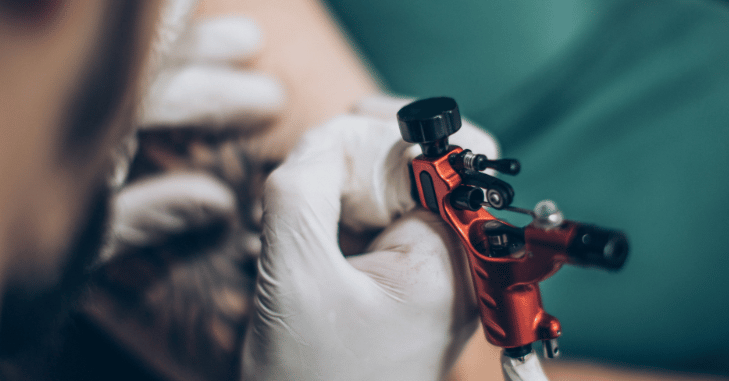
Tattooing is, above all, an art form that requires a strong foundation in artistic skills before ever touching a tattoo machine. Aspiring tattoo artists should first master drawing fundamentals such as shading, proportions, and perspective, as these basics are essential for creating visually appealing and realistic designs.
It is also important to practice a variety of styles, including realism, traditional, neo-traditional, blackwork, Japanese, geometric, and tribal, to develop versatility and discover a personal artistic niche. Consistency is key, so artists must focus on producing clean lines, smooth shading, and balanced compositions.
In addition, digital tools like Procreate or Photoshop have become increasingly important in modern tattooing, allowing artists to design, edit, and present tattoos digitally before applying them to skin.
Learn About Tattoo Equipment and Techniques
A professional tattoo artist must understand their tools and techniques:
- Tattoo Machines: Coil machines, rotary machines, and pen-style machines. Each has unique features and applications.
- Needles: Different needle configurations create fine lines, shading, or color fills.
- Inks: Safe, high-quality inks are essential for client health and long-lasting tattoos.
- Hygiene Tools: Autoclaves, gloves, sterilization wipes, and single-use materials ensure safety.
Complete an Apprenticeship

One of the most crucial steps in becoming a tattoo artist is securing an apprenticeship under a seasoned professional. During this period, aspiring artists have the opportunity to observe experienced tattooists and learn proper techniques firsthand.
Apprentices typically begin by practicing on synthetic skin or items like oranges and pigskin to develop precision and confidence before working on real clients. They also gain a thorough understanding of hygiene, sterilization, and safety regulations, which are essential for protecting both the artist and the client.
In addition, apprentices learn important aspects of client communication, pricing, and business operations, while assisting with various tattoo shop tasks to grasp the overall workflow. Apprenticeships usually last between one and three years, depending on the artist and studio.
Obtain Necessary Certifications and Licenses
| Requirement | Description | Importance |
| Health & Safety Certifications | Training in bloodborne pathogens, first aid, and infection control. | Ensures safe practices for both artist and client. |
| Local Licensing | A professional license is required in many states or countries before working with clients. | Legal authorization to operate as a tattoo artist. |
| Compliance with Regulations | Follow sanitary standards; studios may require inspections. | Maintains hygiene, avoids fines, and protects reputation. |
Build a Portfolio
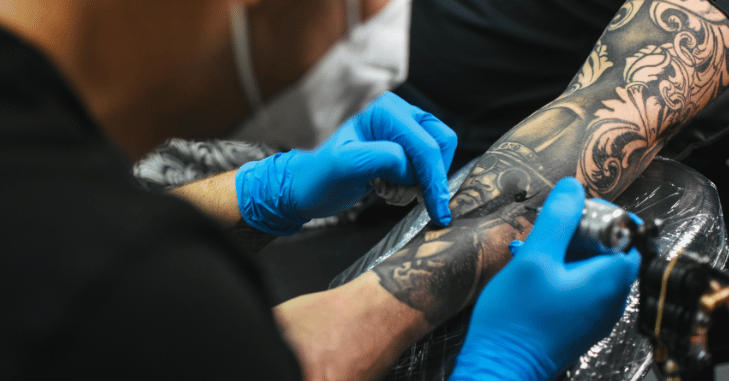
Your portfolio is your most important marketing tool. A strong portfolio should include:
- Clear, high-quality images of your best work.
- Variety of styles and designs to show versatility.
- Examples of custom client work and original designs.
- Digital portfolio options, including Instagram, TikTok, or a personal website.
- A compelling portfolio can attract apprenticeships, clients, and job opportunities in tattoo studios.
Find a Studio or Start Freelancing
After completing an apprenticeship and developing a strong portfolio, aspiring tattoo artists have several paths to advance their careers. One option is to join a reputable tattoo studio as a junior or full-time artist, where the studio provides access to clients, ongoing mentorship, and a professional environment to refine skills.
Alternatively, artists can choose to freelance independently, booking private clients, events, or conventions; this route requires strong self-marketing abilities, business knowledge, and the discipline to manage schedules and finances.
Attending tattoo conventions is another valuable opportunity, allowing artists to network with peers, learn about emerging trends, and showcase their work to a wider audience, which can help build a reputation and attract new clients.
Continue Learning and Developing Your Skills

Tattooing is constantly evolving, so lifelong learning is essential:
- Attend workshops and tattoo conventions.
- Experiment with new styles and techniques.
- Stay updated on safety regulations and new equipment.
- Follow top artists on social media for inspiration and learning.
Manage the Business Side
Successful tattoo artists are also entrepreneurs. Skills in business management are important:
- Pricing your work fairly based on skill, time, and materials.
- Scheduling clients efficiently to maintain a smooth workflow.
- Managing finances, taxes, and insurance.
- Marketing your services through social media, collaborations, or local advertising.
- A tattoo artist who combines artistic skill with smart business management is more likely to build a sustainable career.
Tips for Aspiring Tattoo Artists

| Tip | Description | Importance |
| Be Patient | Mastery of tattooing takes years of consistent practice and dedication. | Builds skill, precision, and confidence. |
| Prioritize Hygiene | Always follow strict safety and sanitation protocols. | Ensures client safety and professional credibility. |
| Develop a Unique Style | Create a distinct artistic style that differentiates you from other artists. | Helps stand out in a competitive industry. |
| Network with Other Artists | Collaborate, learn, and share experiences with fellow tattooists. | Opens learning opportunities and career growth. |
| Respect Clients and Ideas | Listen to client preferences and communicate effectively. | Enhances client satisfaction and builds trust. |
Career Opportunities and Earnings
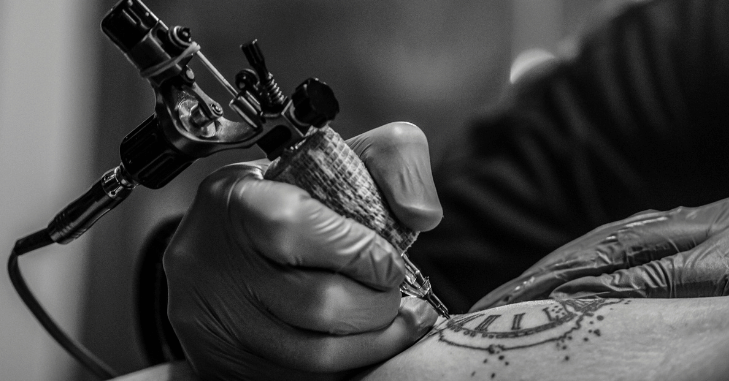
Tattoo artists have a variety of work environments to choose from, including professional tattoo studios, private freelance services, and events such as tattoo conventions and expos.
Some may also specialize in niche areas like medical tattooing, which involves procedures for scar coverage or cosmetic enhancements. Earnings in the tattoo industry vary widely depending on experience, skill level, and location. Beginner tattoo artists typically earn between £20 and £40 per hour, while highly experienced artists with strong reputations.
In addition to tattooing clients, many artists supplement their income by selling merchandise, art prints, or flash designs, creating multiple revenue streams and expanding their professional reach.
Conclusion
How to become a tattoo artist? Becoming a tattoo artist is a rewarding yet demanding journey that combines creativity, technical skill, and professional discipline. It begins with mastering artistic fundamentals, exploring diverse styles, and learning modern digital design tools. Securing an apprenticeship under an experienced professional is a critical step, as it provides hands-on experience.
Building a strong portfolio, understanding equipment and techniques, and managing the business side of tattooing are essential for long-term success. With dedication, patience, continuous learning, and a commitment to excellence, aspiring artists can transform their passion for art into a thriving career.
Want to know about The Ultimate Guide to Business Ideas: From Concept to Profitable Enterprise, Strategies, Validation, and Scaling for Long-Term Success Check out our Business category.
FAQs
Strong artistic abilities, including drawing, shading, proportions, and perspective, plus knowledge of various tattoo styles and digital design tools.
Typically, completing an apprenticeship takes 1–3 years, with ongoing practice and portfolio development continuing afterward.
Yes, most regions require health and safety certifications, local licensing, and compliance with sanitary regulations.
A portfolio showcases your best work, demonstrates versatility, and attracts clients or studio opportunities.
Yes, artists can freelance, attend conventions, or run private studios, though this requires strong self-marketing and business management skills.
Earnings vary widely: beginners may earn £20–£40 per hour, while experienced artists can make £100–£500+ per hour, with additional income from merchandise or art sales.