

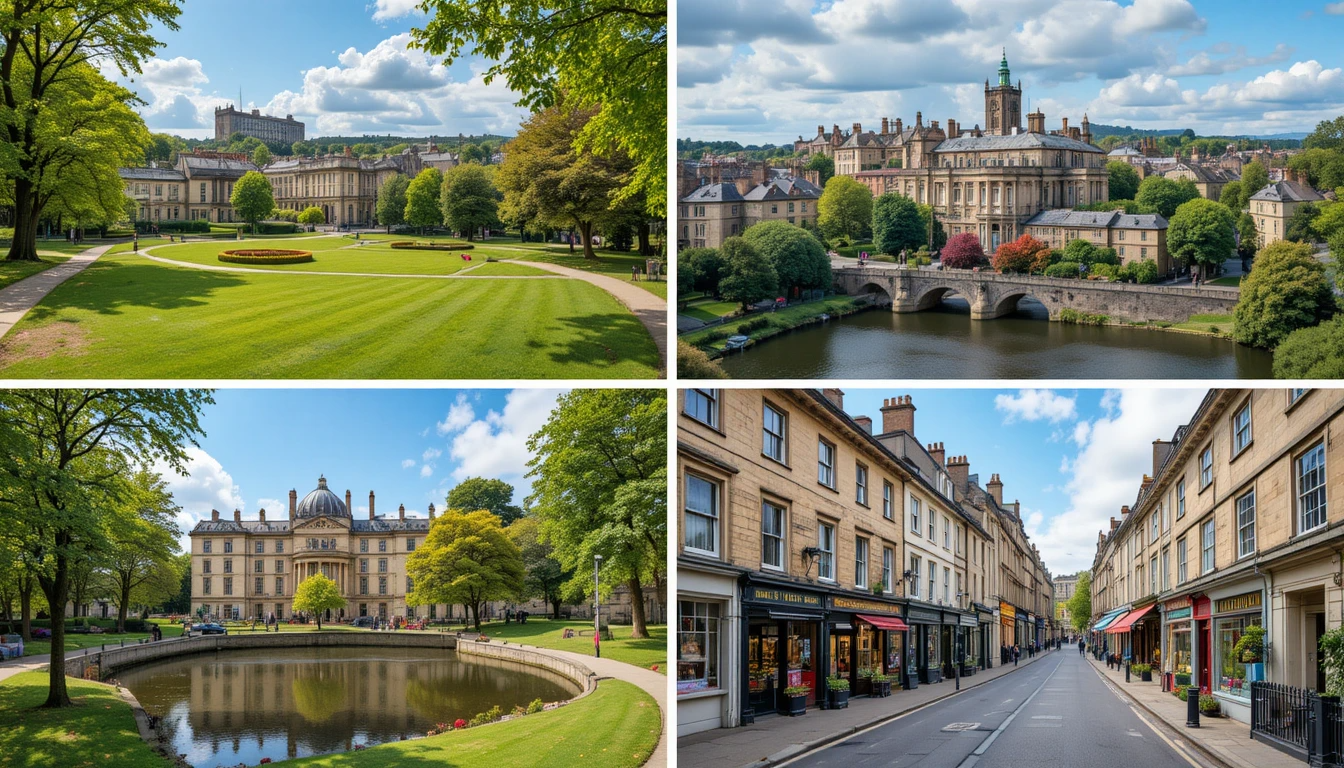
Finding the happiest places to live in the UK goes beyond beautiful streets. This article compares five leading cities—St Albans, Bath, Edinburgh, Cambridge, and York—using clear figures and lifestyle factors. Average rent for a two-bedroom home ranges from £900 to £1,300 per month, while property prices begin between £350,000 and £450,000.
Each location offers strong transport links, quality schools, healthcare, green parks, and cultural attractions. Low crime rates, active communities, and work-life balance also shape daily satisfaction. By combining cost, accessibility, safety, and facilities, this guide highlights why these areas continue to rank among the happiest places to live in the UK for families and professionals alike.
| Location | Avg Rent (2-Bed) | House From | Transport | Key Features |
| St Albans | £1,200 | £450,000 | Good London links | Family-friendly, low crime |
| Bath | £1,100 | £400,000 | Road & rail links | Historic, vibrant community |
| Edinburgh | £950–£1,300 | £350,000 | Excellent public transport | Festivals, balanced lifestyle |
| Cambridge | £1,250 | £400,000 | Strong commuter links | Education hub, safe |
| York | £900–£1,100 | £350,000 | Efficient transport | Affordable, historic charm |
Happiest Places To Live In The UK
St Albans, Hertfordshire
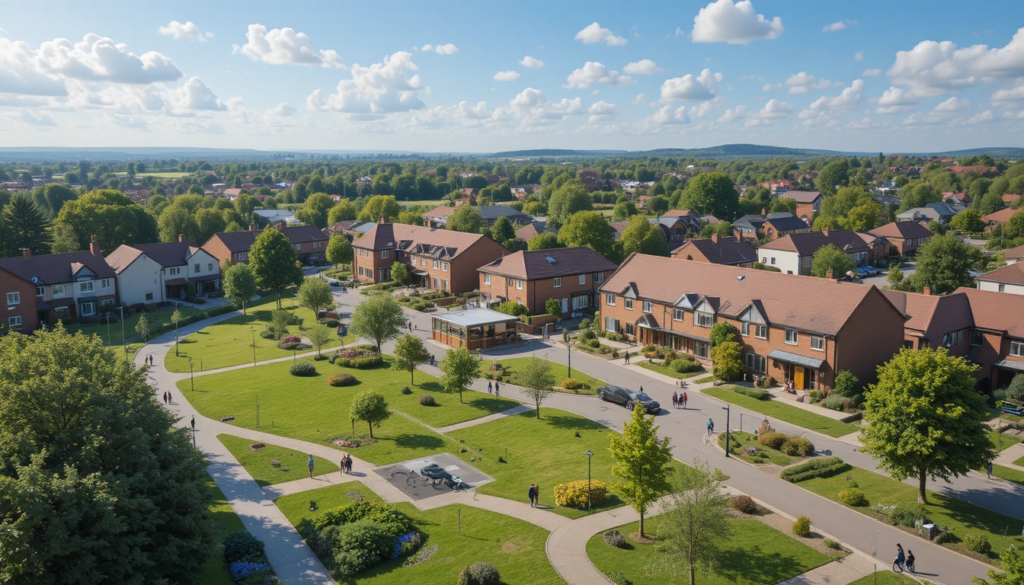
St Albans is considered one of the happiest places to live in the UK, offering a family-friendly lifestyle, excellent schools, and parks. Average rent for a two-bedroom flat is around £1,200 per month, while house prices start at £450,000. Residents enjoy restaurants, gyms, and cultural events. Good transport links to London, plus low crime rates, make it ideal for work-life balance and long-term living comfort.
Bath, Somerset

Bath ranks among the happiest places in the world due to its historic charm and vibrant community. Monthly rent averages £1,100 for a two-bedroom apartment, with houses priced from £400,000. Facilities include theaters, shopping centers, gyms, and healthcare. Accessible roads and rail links connect residents to nearby cities. Lifestyle here blends wellness, culture, and recreational activities, promoting social engagement and happiness.
Edinburgh, Scotland

Edinburgh is one of the happiest places to live in the UK, offering a high standard of living. Average rent is £950–£1,300 per month, and property prices start at £350,000. Residents enjoy festivals, parks, gyms, and museums. Excellent public transport and cycle paths make the city accessible. A mix of modern conveniences and historic sites ensures a balanced lifestyle and strong community engagement.
Cambridge, Cambridgeshire

Cambridge is recognized as one of the happiest places thanks to its education, research hubs, and green spaces. Renting a two-bedroom apartment costs about £1,250 monthly, with homes starting at £400,000. The city offers sports facilities, cultural centers, and medical services. Close transport links support commuting, while a lively yet safe environment provides families and professionals with a fulfilling lifestyle.
York, North Yorkshire

York is listed as one of the happiest places to live in the UK, valued for its historic streets and community spirit. Average rent for a two-bedroom flat is £900–£1,100 per month, with house prices from £350,000. Residents enjoy shopping areas, cafes, schools, and parks. Efficient transport and healthcare accessibility support daily life. The city combines affordable living with culture, recreation, and a relaxed yet connected lifestyle.
What Makes a Place Truly Happy to Live In?
- Safety, clean surroundings, and social connections influence happiness in a community.
- Access to parks, recreational areas, and cultural spaces enhances well-being.
- Local shops, healthcare, and schools provide convenience, while friendly neighbors and community engagement foster a sense of belonging.
- Balanced work-life opportunities and low stress levels help residents enjoy a supportive, vibrant environment, making daily life more satisfying and fulfilling.
Impact of Safety and Community
The happiest places to live in the UK are known for low crime and active community involvement. Residents feel secure walking the streets or letting children play outdoors. Volunteer programs, local clubs, and social events strengthen bonds. Safety, combined with supportive neighbors, improves mental well-being. Families, professionals, and retirees benefit from close-knit, friendly communities, which boost life satisfaction and encourage long-term residency.
Balancing Work, Leisure, and Lifestyle for Well-being
- Work-life balance is vital for overall contentment.
- Access to gyms, parks, cultural venues, and hobbies improves physical and mental health.
- Convenient commuting, short travel times, and flexible work options reduce stress.
- Communities that offer professional opportunities alongside leisure facilities allow residents to pursue careers, engage in social activities, and relax simultaneously.
- A well-planned lifestyle ensures that daily routines remain manageable, enjoyable, and sustainable.
Importance of Facilities, Services, and Accessibility
The happiest places to live in the UK offer excellent healthcare, schools, shops, and gyms. Public transport and road networks make commuting easy and efficient. Housing costs, such as rents of £900–£1,200 for two-bedroom apartments and properties starting at £350,000, are balanced with access to services. Smooth accessibility, quality facilities, and convenience improve residents’ daily experiences and overall satisfaction.
Environment and Green Spaces Improve Daily Life
Green spaces, parks, and tree-lined streets contribute to healthier living. Regular exposure to nature supports exercise, relaxation, and family activities. Cleaner air, sustainable planning, and well-maintained environments encourage outdoor socializing and leisure. Communities with quality environmental planning see improved mental health, safety, and lifestyle satisfaction.
Conclusion
In conclusion, the happiest places to live in the UK share common strengths such as safety, strong community spirit, and excellent facilities. With average rents between £900 and £1,300 and house prices starting at £350,000, these cities offer balanced value and quality of life. Good transport links, green spaces, healthcare, and schools further improve daily life. Together, these factors explain why the happiest places to live in the UK continue to attract families, professionals, and long-term residents.
Want to know about Nottingham Forest vs Manchester City: Tactical Analysis, Key Players, and Historical Insights into an Epic Premier League Showdown Check out our Travel category.
FAQs
A great city offers safety, reliable healthcare, good schools, green spaces, and strong transport links. Affordable housing, job opportunities, and active community life also improve overall satisfaction and comfort.
Safety plays a major role in daily peace of mind. Low crime rates allow families and individuals to feel secure, encourage outdoor activities, and support confident long-term settlement decisions.
Parks and open spaces promote physical activity, relaxation, and social interaction. Access to nature improves mental health, reduces stress, and creates a healthier environment for residents of all ages.
Efficient public transport and road networks reduce commuting stress and save time. Easy access to workplaces, schools, and leisure facilities makes everyday routines smoother and more manageable.
Local events, clubs, and volunteer programs strengthen social bonds. Active community participation builds belonging, encourages friendships, and enhances emotional wellbeing for families, professionals, and retirees alike.