


Put car into trade can be a convenient way to upgrade to a new or used vehicle without the hassle of a private sale. How to put your car up for trade begins with preparing it to maximize its trade-in value. Start by thoroughly cleaning and detailing the vehicle, both inside and out, to make it more appealing to the dealer.
Gather all essential documents, including the title or loan payoff information, maintenance and repair records, registration, insurance papers, and spare keys. Conduct research on your car’s market value using online guides like Kelley Blue Book, Edmunds, or NADA to set realistic expectations.
Minor repairs, such as fixing scratches, dents, or burnt-out lights, can also increase the trade-in offer, but avoid expensive repairs that don’t provide a good return on investment. Checking for unresolved recalls is equally important, as dealers may lower their offer if outstanding issues exist.
| Section | Key Points |
| Benefits of Trading In | Convenience (dealer handles paperwork), Immediate credit to new car, Time efficiency (completed in a day), Tax advantages (pay sales tax on price difference in many states). |
| Drawbacks of Trading In | Lower value than private sale, limited negotiation flexibility, offer reduced by high mileage or damages. |
| Preparing Your Car | Clean and detail the car, gather documents (title, maintenance, registration, insurance, keys), research market value, repair minor issues, and check for recalls. |
| Evaluating Trade-In Offers | Based on make/model/year, mileage, condition, market demand, local/seasonal trends, compare multiple offers. |
| Negotiating | Research car value, highlight strengths (low mileage, upgrades, maintenance), be ready to walk away, negotiate trade-in separately from new car price. |
| Tips to Maximize Value | Maintain the car regularly, trade during peak seasons, keep mileage low, fix minor cosmetic issues, and consider certified pre-owned programs. |
| Alternatives | Private sale (higher profit), online car buyers (instant offers), sell/lease separately. |
| Trade-In vs Private Sale | Convenience: high vs low; Speed: instant vs weeks/months; Price: lower vs higher; Paperwork: dealer handles vs owner handles; Tax advantage: yes vs no. |
| Common Mistakes | Not researching value, accepting the first offer, skipping minor repairs, leaving personal items, and combining trade-in and new car price negotiation. |
Put Car into Trade

Put car into trade involves selecting the right dealership or platform and negotiating effectively. Visit multiple dealerships to compare trade-in quotes, or use online platforms like CarMax, Vroom, or Carvana for instant offers without leaving home. Highlight your car’s strengths during negotiations, such as low mileage, recent upgrades, or consistent maintenance records.
Be prepared to walk away if the offer doesn’t meet your expectations, as dealers may increase their bid when they know you are exploring other options. When finalizing the trade, the dealership typically handles the payoff of any existing loans.
The transfer of ownership and registration applies your trade-in value directly to your next purchase. Removing personal items, documents, and garage openers from your car is essential before handing it over. Following these steps ensures a smooth, efficient, and financially sound process when trading in your car.
What Does It Mean to Put a Car Into Trade?
- Trade-In Definition: Exchanging your current vehicle as part of the payment for a new or used car at a dealership.
- Dealership Purchase: The dealership buys your car and applies its value toward your next vehicle.
- Simplified Process: Avoids the hassle of private sales, listings, and negotiations.
- Potential Lower Value: Trade-ins may offer slightly less than selling your car privately.
Benefits of Trading in Your Car
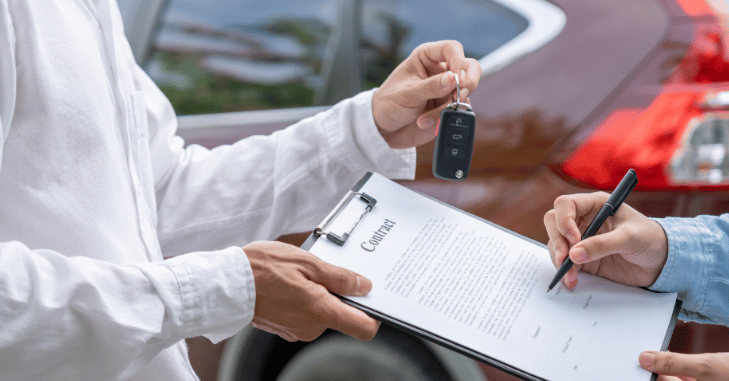
| Advantage | Description |
| Convenience | Dealership handles paperwork, loan payoff, and registration; no need to manage listings or negotiations. |
| Immediate Credit | Trade-in value is applied directly to your new purchase, lowering the down payment or loan amount. |
| Time Efficiency | Trade-ins can be completed in a single day, unlike private sales, which may take weeks or months. |
| Tax Advantages | In many states, sales tax is calculated on the difference between the new car price and trade-in value, saving money. |
Drawbacks of Trading in Your Car
While trading in your car is convenient, it does come with potential drawbacks. One major consideration is the lower value; dealerships typically offer less than what you might receive through a private sale.
Additionally, trade-in negotiations are often more limited, so the dealer’s offer may be less flexible than a private sale. Finally, the condition of your vehicle plays a significant role; any damage, high mileage, or cosmetic issues can reduce the trade-in offer, potentially leaving you with less than expected.
Preparing Your Car for Trade
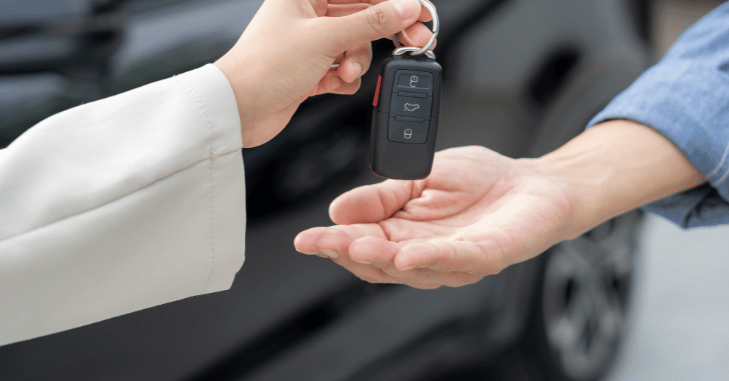
Proper preparation can significantly boost your car’s trade-in value. Start by thoroughly cleaning and detailing your vehicle: wash and wax the exterior, vacuum the interior, and remove personal items. Professional detailing can further increase perceived value.
Gather all important documents, including the vehicle title or payoff info, maintenance and repair records, registration and insurance papers, and the owner’s manual with spare keys. Research your car’s value using trusted online sources like Kelley Blue Book, Edmunds, or NADA Guides, and compare multiple estimates for accuracy.
Address minor issues such as burnt-out lights, scratches, or small dents, but avoid costly repairs that won’t add equivalent value. Finally, ensure there are no unresolved recalls, as dealers may lower their offer if issues remain.
Choosing Where to Trade
- Most dealerships accept trade-ins. Visit multiple dealerships to get quotes, as offers may vary.
- Platforms like CarMax, Vroom, or Carvana can provide instant quotes without visiting a dealership.
- Some luxury or certified pre-owned dealerships offer incentives or bonuses for trade-ins that meet specific criteria.
Evaluating Your Trade-In Offer

Dealerships base trade-in values on:
- Vehicle make, model, year, and trim
- Mileage and maintenance history
- Condition (interior, exterior, tires, mechanical)
- Market demand for the vehicle
- Local and seasonal market trends
- Compare offers from multiple dealerships to ensure you get a fair deal.
Negotiating the Best Trade-In Value
Before trading in your car, proper negotiation can significantly increase your offer. Start by researching your vehicle’s value using online guides to set realistic expectations. Highlight your car’s strengths, such as regular maintenance records, low mileage, or recent upgrades, to make it more appealing to the dealer.
Be prepared to walk away if the offer doesn’t meet your expectations, as dealers may increase their bid knowing you have other options. Additionally, separate the trade-in negotiation from the price discussion of your new vehicle to ensure clarity and maximize your overall deal.
Completing the Trade-In Transaction

| Step | Description |
| Pay Off Existing Loans | Dealer handles payoff; any remaining balance (negative equity) may be added to a new loan. |
| Transfer Ownership | Dealership manages title transfer, registration, and temporary tags if needed. |
| Apply Trade-In Value | Trade-in value is applied toward the new vehicle, reducing the down payment or financing amount. |
| Remove Personal Items | Remove all personal belongings, garage door openers, and documents before handing over the car. |
Tips to Maximize Trade-In Value
- Maintain Your Car Regularly: Cars with full service records fetch higher offers.
- Trade at Peak Times: Spring and summer often yield higher trade-in values.
- Keep Mileage Reasonable: Lower mileage generally increases value.
- Small Cosmetic Fixes: Repair minor dents, scratches, and stains.
- Consider Certified Pre-Owned Programs: Some programs reward vehicles in excellent condition.
Alternatives to Trading In

While trading in your car is convenient and saves time, exploring alternatives can sometimes help you earn more money. Selling your car privately typically provides a higher profit, although it requires more effort, including advertising, meeting potential buyers, and handling paperwork.
Online car-buying services offer instant offers with minimal effort, and in some cases, their quotes can exceed what a dealership would offer. Another option is to sell or lease separately, where you sell your current vehicle first and then purchase or lease your next one.
Understanding Trade-In vs Private Sale
| Feature | Trade-In | Private Sale |
| Convenience | High | Low |
| Speed | Instant | Weeks/months |
| Price | Often lower | Usually higher |
| Paperwork | Handled by the dealer | Owner handles |
| Tax Advantage | Yes, in many states | No |
Common Mistakes to Avoid

- Not researching your car’s value
- Accepting the first offer without comparison
- Neglecting minor repairs or cleaning
- Failing to remove personal items
- Combining trade-in negotiation with the new car price
Conclusion
Put car into trade is a fast, convenient, and often stress-free way to upgrade to a new vehicle. While private sales may offer more money, trade-ins simplify the process by handling paperwork, loan payoffs, and immediate credit toward your next car. By properly preparing your vehicle, researching the market value.
Understanding trade-in versus other selling options allows you to make an informed decision that suits your financial goals and timeline. With the right preparation and strategy, trading in your car can be a smooth, rewarding step toward your next vehicle purchase.
FAQs
Yes. Dealers will pay off your existing loan and apply any remaining value (negative equity) toward your next vehicle.
Trade-in value depends on your car’s make, model, year, mileage, condition, market demand, and any optional features.
Yes. Small repairs like scratches, dents, or burnt-out lights can increase your trade-in offer, but avoid expensive repairs that won’t return value.
Most dealerships accept trade-ins, and online platforms like CarMax, Vroom, or Carvana provide instant offers without visiting a dealership.
Trading in is more convenient and faster, but private sales often yield higher profit if you are willing to handle advertising, showings, and paperwork.