

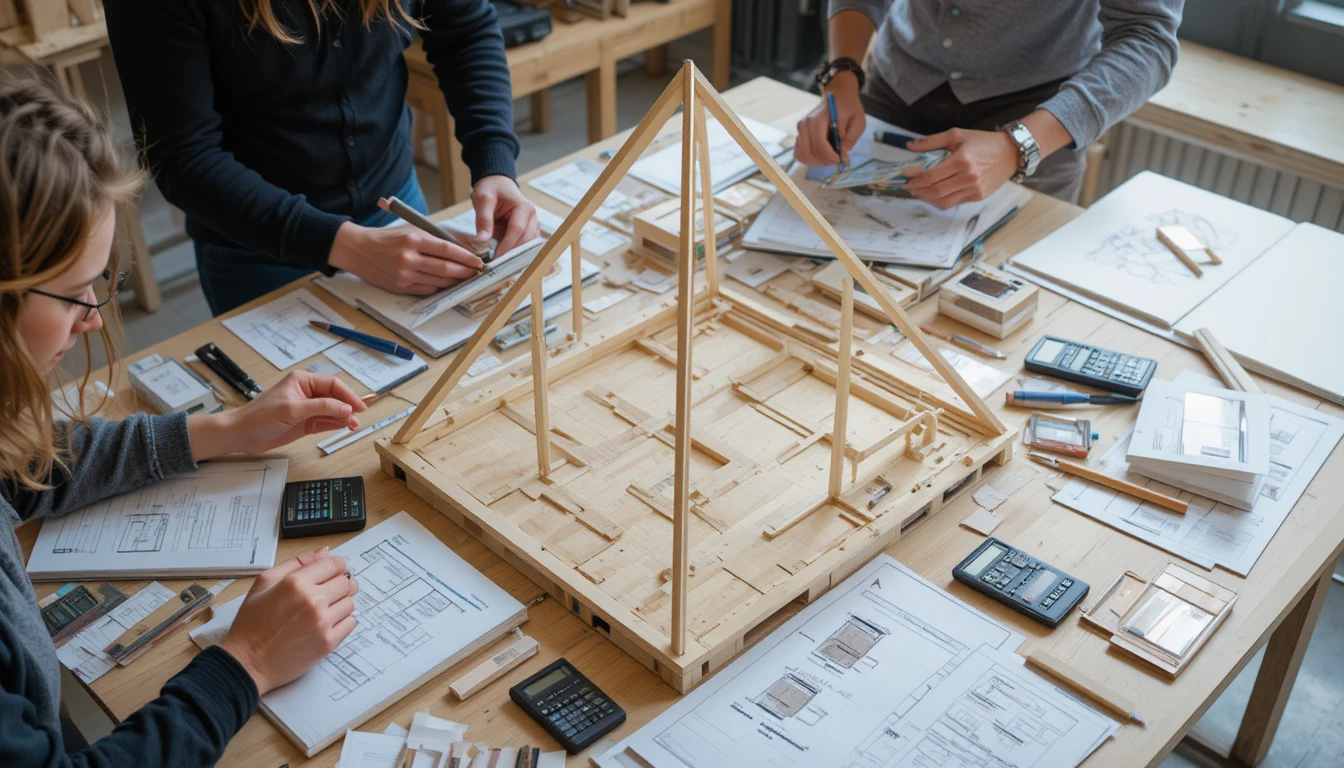
Understanding the volume of a prism is essential for students and designers working with three-dimensional shapes. Prisms, such as rectangular, triangular, and polygonal types, are widely used in classrooms, construction projects, and storage projects. A typical classroom rectangular prism may measure 2m × 1.5m × 1m, costing £80–£150 in timber or MDF.
Triangular prisms used in roof models or aqueduct experiments can have base dimensions of 0.6m × 0.8m and heights of 1.2m, with materials costing £10–£25. Calculating the volume of a prism using base area and perpendicular height helps determine material needs, storage capacity, and structural stability.
| Basics | Details |
| Rectangular Prism | Classroom box 2m × 1.5m ×1m |
| Volume Formula | Base area multiplied by height |
| Triangular Prism | Roof truss model 0.6m × 0.8m |
| Triangular Volume | 0.5 × base × height × prism |
| Circular Prism | Cylinder tank radius 0.5m height |
| Oblique Prism | Volume is the same if the height is perpendicular. |
| Rectangular Beam | Timber beam 4m × 0.3m × 0.2m |
| Polygonal Prism | Hexagonal base side 0.5m height |
| Educational Model | Acrylic 0.3m × 0.2m × 0.15m |
| Roof Model | Triangular wood 0.5m × 0.8m height |
| Aqueduct Model | Prism base 0.4m × 0.3m height |
| Display Unit | Hexagonal prism 0.5m sides, height |
| Material Cost | Timber £80–£150 or MDF panels |
| Plastic Cost | Acrylic £5–£15 for classroom |
| Structural Safety | Proper alignment and joint stability |
| Calculation Symbols | V volume, A area, h height |
Rectangular Prism Design
Rectangular prisms are widely used in construction, storage, and furniture design. A typical classroom storage box might measure 2m × 1.5m × 1m, made from solid timber or MDF, and cost £80–£150. Proper alignment, level edges, and sturdy joints ensure durability and safety. The design must account for intended use, weight distribution, and dimensions to maximize storage while maintaining structural integrity in educational or domestic settings.
Calculating Volume of a Prism
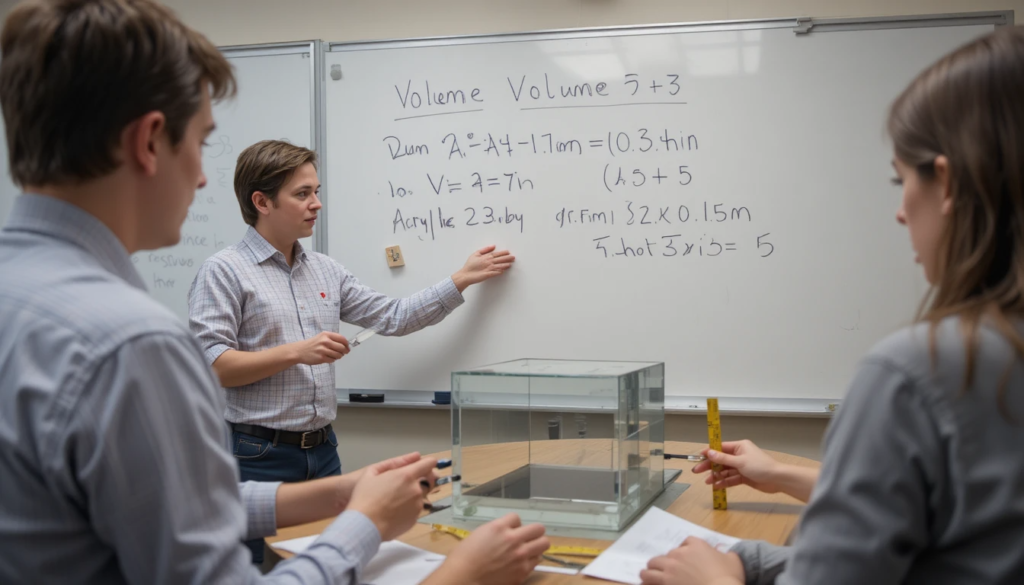
The volume of a prism is determined by multiplying the base area by the perpendicular height. For example, a rectangular base measuring 2m × 1.5m with a height of 1m produces 3 cubic metres. Symbols include (V) for volume, (A) for area, and (h) for height. This method applies to all prism types, whether triangular, hexagonal, or irregular, and helps plan materials and space effectively in practical UK classrooms or construction projects.
Triangular Prism Structures
Triangular prisms are used in roof trusses, architectural models, and storage designs. A model with a base of 0.6m × 0.8m and a height of 1.2m can be constructed from balsa wood or acrylic, costing £15–£25. Proper alignment, base support, and edge connections maintain stability. Triangular prism structures are suitable for demonstrating slope, load-bearing capacity, and strength in classrooms or workshops.
Volume of a Triangular Prism
The volume of a prism with a triangular base equals base area ((0.5 \times b \times h)) multiplied by prism height. For instance, a triangle with a base of 0.6m × 0.8m and a height of 1.2m yields 0.288 cubic metres. Consistent measurement units are critical. Calculating volume helps estimate material use, storage capacity, and design efficiency. Students can apply this principle to classroom projects, engineering models, or small-scale structural prototypes.
Cylinder as a Circular Prism

- Cylinders function as circular prisms with radius (r) and height (h).
- A water storage tank of radius 0.5m and height 1.2m has a volume of 0.942 cubic metres, calculated using (V = \pi r^2 h).
- Plastic or steel material costs in the UK range from £45 to £60.
- Accurate radius and height measurements are essential to avoid overflow.
Oblique Prism Shapes
The volume of a prism remains unchanged even if the prism is slanted, as long as the height is perpendicular to the base. For an oblique triangular prism with base area 0.8m² and perpendicular height 1.5m, the volume equals 1.2 cubic metres. This property allows designers and students to explore inclined beams or roofs without having to recalculate volume. It is useful in classroom models or small-scale construction experiments.
Rectangular Beam Applications
- Rectangular prisms serve as beams in construction and furniture design.
- A timber beam measuring 4m × 0.3m × 0.2m has a volume of 0.24 cubic metres.
- Oak beams of this size cost approximately £120–£180 in the UK.
- Proper spacing, alignment, and load distribution are critical.
- Rectangular beams provide stability in educational, domestic, or small workshop settings, teaching students how three-dimensional measurements affect strength and weight.
Volume of Complex Polygonal Prism
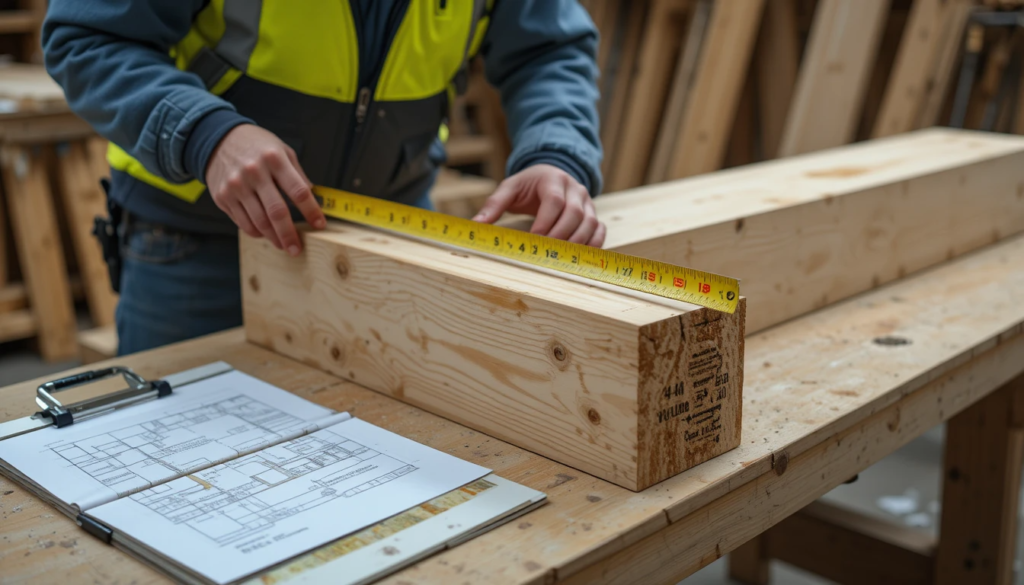
The volume of a prism with an irregular polygonal base equals base area multiplied by height. A hexagonal prism with 0.5m sides and a height of 1.5m has approximately 0.974 cubic metres. Using symbols (V), (A), and (h) simplifies calculation. This method is useful for display units, storage containers, or classroom models. Knowing volume allows designers to estimate materials, plan costs (£30–£50), and ensure practical usability in real settings.
Educational Models
- Prisms are used as models to teach volume and measurement.
- Classroom models measuring 0.3m × 0.2m × 0.15m allow hands-on experiments.
- Materials like acrylic or cardboard cost £5–£10, are lightweight, and safe.
- Students can calculate base area, height, and volume using symbols.
- Proper measurement and labeling help students understand three-dimensional space, develop practical skills, and plan material use in UK school labs and practical lessons.
Triangular Prism Roof Models

Triangular prisms are used to model roof designs in educational and architectural settings. A model with a base of 0.5m × 0.8m and a height of 0.6m allows slope visualization. Using lightweight wood at £12–£18 per board provides a safe, manageable size. Calculating the volume of a prism demonstrates material needs, roof capacity, and design efficiency. Students can explore geometric principles, angles, and practical applications for real-world construction.
Triangular Prism Aqueduct Models
Triangular prisms are often used in small-scale aqueduct or fluid-flow experiments. A prism with base 0.4m × 0.3m and height 0.6m holds 0.072 cubic metres. Plastic or acrylic costing £10–£15 provides safe handling. Calculating the volume of a prism allows students to estimate water capacity, understand the effects of cross-sectional area, and apply mathematical principles to practical engineering or physics classroom activities.
Polygonal Prism Display Units
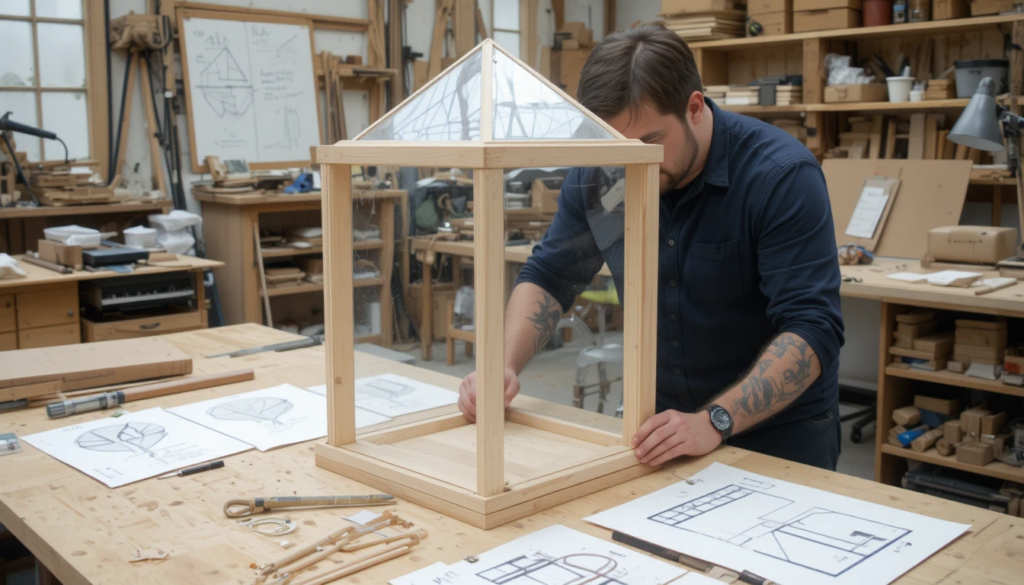
Hexagonal or octagonal prisms are used in display units or teaching aids. A hexagonal prism with 0.5m sides and a height of 1m has a volume of 1.3 cubic metres. Wooden or acrylic panels cost £30–£50 in the UK. Calculating the volume of a prism helps plan material use, cost, and space efficiency. This is useful for classroom models, exhibitions, or practical storage unit designs in educational and professional settings.
Want to know about Teacher Pay in the UK Check out our Education category.
Conclusion
In conclusion, understanding the volume of a prism is essential for practical applications in classrooms, construction, and design. Rectangular prisms measuring 2m × 1.5m × 1m can hold 3 cubic metres, while triangular prisms with 0.6m × 0.8m bases and 1.2m height have 0.288 cubic metres.
Accurate calculations using base area and perpendicular height ensure proper material use and storage capacity. Mastering the volume of a prism allows students and professionals to plan efficiently and apply geometry effectively in real-world projects.
FAQs
Volume is found by multiplying the base area by the perpendicular height. This works for all prism types, whether rectangular, triangular, or polygonal, helping estimate material requirements and usable space.
Lightweight materials like acrylic, cardboard, or balsa wood are ideal. They cost between £5 and £25, are safe for classroom use, and allow easy handling for educational and design experiments.
Triangular prisms demonstrate load distribution, slope, and capacity. Roof models or aqueduct experiments are used to teach students practical design principles and applications of three-dimensional geometry.
Slanted prisms maintain the same volume as long as the height is perpendicular to the base. This ensures accuracy in design and construction calculations without affecting capacity.
Timber beams for classrooms or furniture cost £80–£180 depending on type and size. MDF or acrylic panels for models range from £5 to £50, depending on thickness and design requirements.