

Guinness Draught is one of the most recognizable stouts in the world, admired for its velvety texture, dark ruby color, and rich roasted flavor. First brewed by Arthur Guinness in 1759, the beer has become a symbol of Irish culture and a favorite choice among stout lovers globally. Its distinctive brewing process, which uses nitrogen infusion rather than carbon dioxide, produces a smooth, creamy head and a silky mouthfeel, setting it apart from many other beers.
Despite its dark appearance and full-bodied flavor, many people mistakenly believe it is heavy and high in calories. In reality, understanding the content of a pint of Guinness calories reveals a more balanced nutritional profile than expected. Compared with many craft beers and high-alcohol ales, Guinness contains moderate calories, reasonable carbohydrate levels, and a relatively low alcohol by volume (ABV).
| Category | Per Pint (568 ml) |
| Calories | ~210 kcal |
| Carbohydrates | 18 g |
| Alcohol (ABV) | 4.2% |
| Compared to Light Beer | Higher (~100–110 kcal) |
| Compared to Lager | Slightly higher (~150 kcal) |
| Compared to IPA | Lower (300–400 kcal) |
| Weight Gain Risk | Depends on total calorie intake |
| Notable Nutrients | B vitamins, polyphenols, and small amounts of iron |
| Best Advice | Drink in moderation |
Understanding Guinness Draught and a Pint Of Guinness Calories

Guinness Draught, first brewed by Arthur Guinness in 1759, has become synonymous with Irish culture and heritage. Its unique production process, including nitrogen infusion, creates the smooth, creamy mouthfeel that sets it apart from many other beers. When discussing the pint of Guinness calories, many people assume this iconic stout is heavy and high in calories.
However, a closer look at the nutritional profile shows that a standard pint typically contains fewer calories than many lagers and craft beers. Understanding this helps beer lovers make more informed choices while still enjoying the rich flavor and tradition behind this world-famous stout.
Calories in a Pint of Guinness
A standard pint of Guinness Draught contains about 210 calories. This puts it in a moderate range compared to other beers. Light beers generally hover around 100 calories per pint, while stronger ales can go beyond 300 calories. Thus, for those who enjoy a fuller-bodied beer without excessive calories, Guinness offers a balanced option.
Compared with other popular beers, Guinness holds its own. For instance, light lagers like Bud Light have about 110 calories, while standard lagers like Budweiser have about 150 calories. Pale ales tend to be slightly higher, ranging from 220 to 250 calories, and IPAs can escalate to 300-400 calories. Overall, Guinness stands out as a satisfying yet moderate choice.
Carbohydrates in a Pint of Guinness
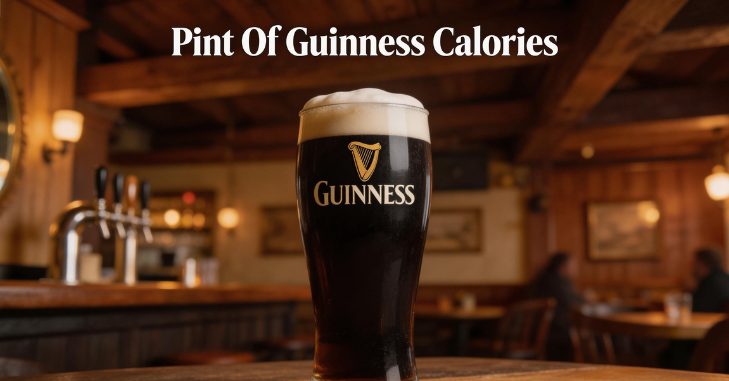
Carbohydrate content is an important factor to consider when evaluating beer choices. A typical pint of Guinness Draught contains about 18 grams of carbohydrates, which is relatively moderate compared to many craft beers, which often contain higher levels of malt sugar.
Carb Comparison: Guinness vs Other Beers
Other beers vary considerably in their carbohydrate content. Light lagers may contain around 6–10 grams, while standard lagers often fall between 12–15 grams per pint. Lighter ales typically range from 15–20 grams per pint, whereas more hop-forward varieties such as IPAs can contain 18–25 grams per pint.
Is Guinness a Good Choice for Lower Carb Intake?
In this context, Guinness remains a reasonable option for those monitoring their carbohydrate intake, offering a balanced profile without the higher carb load found in many stronger or heavily malted beer styles.
Alcohol Content in a Pint of Guinness
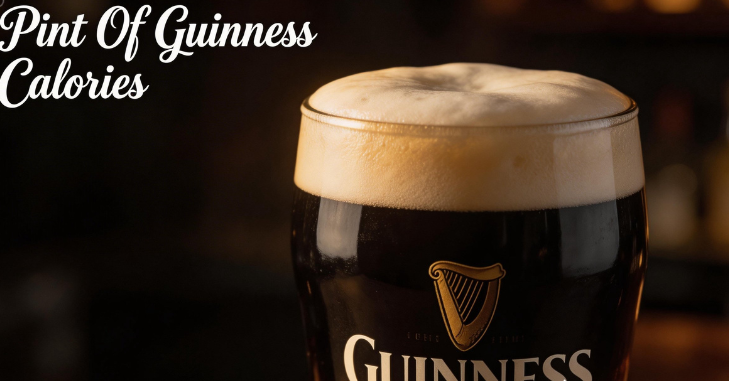
The alcohol by volume (ABV) is crucial for understanding a beer’s potency. A pint of Guinness Draught possesses an ABV of around 4.2%. This is relatively lower than many craft beers, lagers, and IPAs, which often reach ABVs of 6% or higher. The lower alcohol content can create a perception of less intoxication, allowing beer enthusiasts to sip and savor it for longer.
When considering the ABV of various beers, light lagers fall into a similar range as Guinness, typically around 4.2-4.5%. Standard lagers generally hover around 5% ABV. Pale ales and IPAs usually range from 5-7.5%, while stronger options like imperial stouts can exceed 8% or even reach double digits. This modulation in alcohol levels often influences a drinker’s choice, depending on their preferences and tolerance.
Does Guinness Make You Gain Weight?
- One of the most common questions surrounding beer consumption is whether it contributes to weight gain. The answer largely hinges on caloric intake. Weight gain occurs when you consume more calories than your body expends in activity. With a pint of Guinness containing around 210 calories, regular consumption without adequate physical activity could certainly lead to a caloric surplus.
- Although Guinness is a moderate choice, it’s essential to practice portion control. Opting for smaller servings or limiting drinking to social occasions can help mitigate calorie overload.
- Additionally, Guinness’s nutritional profile is noteworthy. Not only does it contain caloric energy, but it also boasts certain beneficial elements, such as B vitamins, antioxidants like polyphenols, and moderate amounts of iron. While these nutrients may offer health benefits, they should integrate seamlessly into an overall healthy diet rather than becoming the main focus.
The Bottom Line
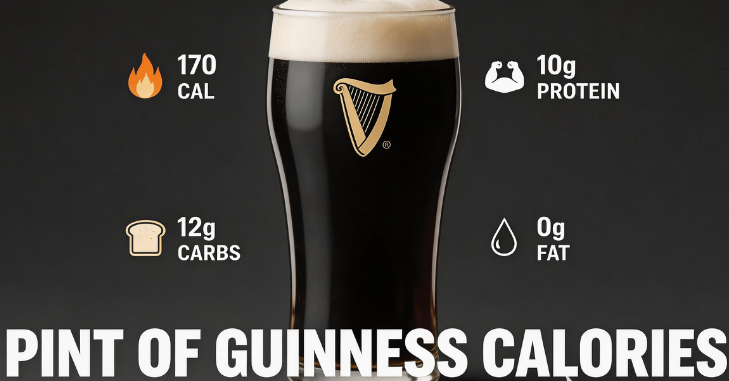
In summary, a pint of Guinness Draught typically consists of around 210 calories, 18 grams of carbohydrates, and has an ABV of roughly 4.2%. When comparing it to other beer options, Guinness positions itself as a decent choice for those who appreciate a flavorful stout without too many calories or carbohydrates.
Enjoying Guinness does not inherently lead to weight gain, but moderation is key. Balancing consumption with a healthy lifestyle is vital. For those keen on enjoying Guinness without the associated worries, practicing moderation and pairing it with healthier food choices can create an enjoyable experience.
Tips for Enjoying Guinness Responsibly
Ultimately, enjoying Guinness can be part of a balanced lifestyle. Embracing moderation, remaining mindful of caloric intake, and engaging in physical activity can enable enthusiasts to enjoy this iconic stout guilt-free. By understanding Guinness’s nutritional aspects and making informed choices, it’s possible to appreciate the rich history and flavor of this beloved beer without negative consequences.
Conclusion
In conclusion, Guinness Draught offers a flavorful experience that many beer enthusiasts cherish. With its moderate calorie count, reasonable carbohydrate levels, and lower alcohol content than many craft beers, it offers an excellent option for those seeking a rich stout without excessive indulgence.
Understanding the nutritional aspects of Guinness can help consumers make informed choices about their drinking habits. When enjoyed in moderation and paired with a healthy lifestyle, there’s no need to fear weight gain or dietary drawbacks. So, whether you’re celebrating St. Patrick’s Day or simply unwinding after a long day, a pint of Guinness can be a rewarding and enjoyable choice that fits into a balanced diet.
Want to know about Hip Thrusts: Advanced Techniques for Sculpting Powerful Glutes, Enhancing Athletic Performance, and Promoting Optimal Posture and Stability Check out our Health category.
FAQs
There are roughly 210 calories in a pint of Guinness beer. When it comes to calories, Guinness is in the middle of other beers. For weight control, it’s critical to monitor caloric intake. If you’re watching your calorie intake, consider low-calorie beer alternatives.
A standard pint (568 ml or 20 oz) of Guinness Draught contains approximately 210 calories. 5.
Because of this, some research indicates that drinking beer in moderation may be heart-healthy. It’s crucial to remember that moderate drinking does not include binge drinking and is equivalent to one beer per day for women and one to two for men.
Guinness contains less than 1 gram of sugar per pint. According to the American Heart Association, the recommended daily sugar limit for men is about 36 grams, and for women, about 25 grams, making Guinness a relatively low-sugar beverage compared to these limits.