


Hip thrusts have become a cornerstone movement for developing glute strength, athletic power, and long-term lower-body stability. Hip thrusts primarily target the gluteus maximus while supporting hamstrings and core stabilisers, promoting full hip extension and improved sprint or jump performance. Structured programming of 8–12 repetitions for three to four sets, performed two to three times weekly, supports measurable hypertrophy.
Equipment ranges from resistance bands (£10–£30) to complete barbell setups (£150–£400) made from hardened steel with reinforced benches. Recovery is enhanced with 20–30g of protein post-workout, along with vitamins B and D, magnesium, and calcium. Consistent progressive overload with hip thrusts builds lasting strength, protects the lumbar spine, and strengthens overall lifting performance.
| Basics | Details |
| Glute Strength | Improves posture and pelvic stability |
| Athletic Power | Enhances sprint and jump performance |
| Muscle Focus | Targets the gluteus maximus primarily |
| Secondary Support | Engages hamstrings and core stabilisers |
| Biomechanics | Promotes full hip extension control |
| Equipment Types | Barbells, bands, Smith machines |
| Barbell Material | Hardened steel rotating sleeves |
| Bench Design | Reinforced frame dense foam |
| Band Cost | £10–£30 entry-level sets |
| Barbell Cost | £150–£400 complete setups |
| Rep Range | 8–12 repetitions hypertrophy focus |
| Protein Intake | 20–30g post-workout recommended |
| Key Vitamins | B, D, magnesium, calcium |
| Progressive Load | Gradual weight increases improve strength |
| Common Mistakes | Excess weight, poor foot placement |
| Training Frequency | Two to three weekly sessions |
Glute Activation and Strength Development
Strong glutes improve posture, pelvic alignment, and overall lower-body stability. Focused hip extension training enhances sprint mechanics, jumping performance, and lifting capacity. Engaging the posterior chain reduces lower-back strain caused by prolonged sitting. Consistent resistance sessions stimulate muscle fibres, promoting balanced strength gains and improved functional movement patterns for long-term physical performance.
Benefits of Hip Thrusts

Hip thrusts primarily target the gluteus maximus while supporting hamstrings and core stabilisers. This movement increases hip extension power, assists heavier compound lifts, and enhances athletic acceleration. Structured progression improves muscle hypertrophy and reduces injury risk. Controlled resistance helps engage the glutes better than many traditional lower-body exercises.
Primary Muscles and Biomechanics
The movement pattern emphasises full hip extension through coordinated glute contraction. Secondary muscles, including hamstrings and adductors, provide stability throughout the lift. Maintaining knee alignment improves force transfer and balance. Proper biomechanics protect the lumbar spine while maximising muscular tension across the posterior chain during controlled repetitions.
Equipment Options
Hip thrusts can be performed with barbells, dumbbells, Smith machines, or resistance bands. Olympic barbells are manufactured from hardened steel with rotating sleeves for smooth plate movement. Benches include reinforced frames and high-density foam padding. Resistance bands are made of layered latex for elasticity. Entry-level band sets cost £10–£30, while barbell setups range from £150–£400.
Manufacturing Quality and Components
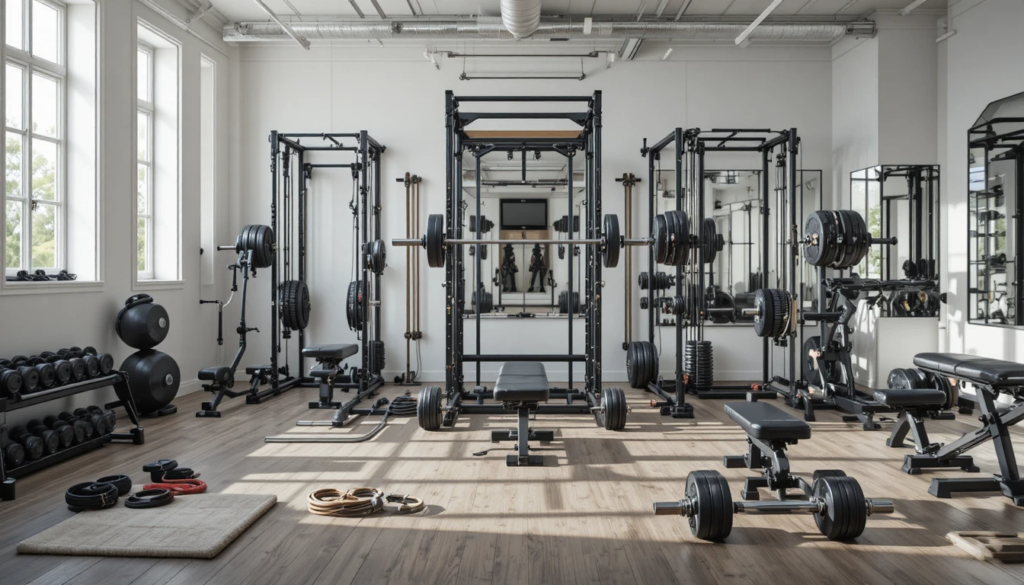
High-grade strength equipment uses powder-coated steel frames to resist corrosion and heavy wear. Weight plates are cast iron or rubber-coated for durability and floor protection. Barbell sleeves rotate on bushings or bearings for stability. Quality stitching and reinforced seams improve bench longevity, ensuring safe repeated loading during structured programmes.
Technique Execution
- Hip thrusts require the upper back to be securely placed on a stable bench, feet shoulder-width apart, and knees aligned over the ankles.
- Driving through the heels maximises glute contraction.
- A neutral spine prevents lumbar overextension.
- Pausing briefly at full extension increases muscle activation before lowering under controlled eccentric tension.
Progressive Overload
Hip thrusts respond effectively to progressive overload through incremental weight increases or added band resistance. Performing three to four sets of eight to twelve repetitions supports hypertrophy. Advanced lifters may reduce repetitions and increase load to emphasize strength. Consistency ensures measurable improvements in glute size and force production.
Nutritional Requirements for Recovery
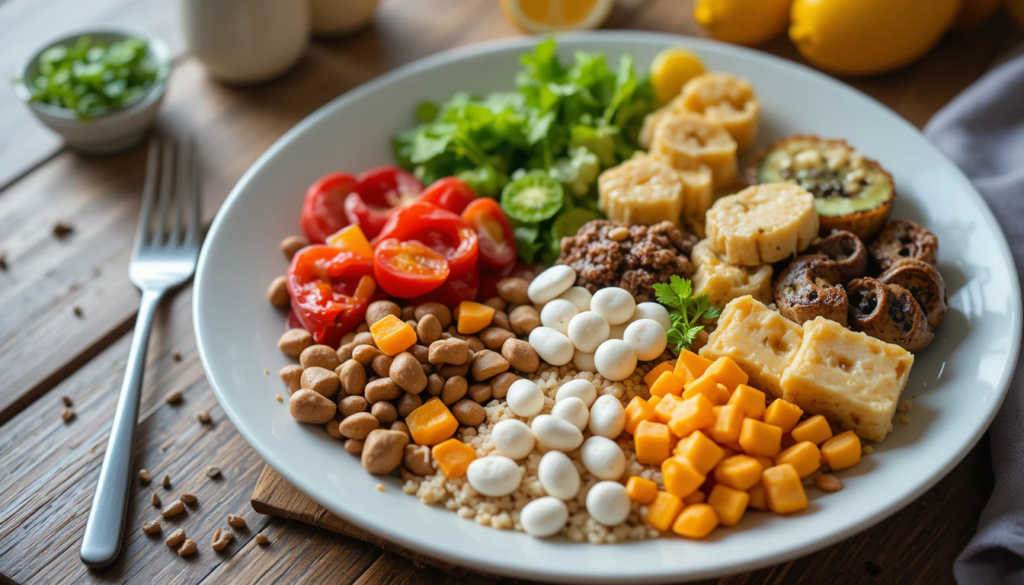
Muscle recovery relies on consuming adequate protein, ideally 20–30 grams post-workout, to stimulate repair. Vitamins B and D assist energy metabolism and bone strength. Magnesium and calcium support contraction and nerve function. Complex carbohydrates replenish glycogen stores, while hydration maintains optimal muscular performance and reduces fatigue.
Recovery Benefits
- Hip thrusts stimulate large muscle groups, increasing nutrient demand for effective repair.
- Adequate amino acids enhance tissue rebuilding, while vitamin C supports collagen health in tendons.
- Balanced micronutrient intake minimises soreness and improves adaptation.
- Structured nutrition alongside rest days promotes sustainable lower-body strength progression.
Cost and Accessibility Considerations
Strength equipment investment varies by quality and specification. Adjustable benches cost approximately £120–£250, while premium barbell systems may exceed £350. Resistance bands remain affordable and space-efficient. Commercial fitness facilities provide access to professional machines without full purchase costs, allowing consistent lower-body training within structured environments.
Common Errors and Prevention
Excessive weight selection reduces glute engagement and increases lumbar stress. Incorrect foot placement limits power output. Rushing repetitions decreases muscular tension. Maintaining moderate resistance, steady tempo, and controlled breathing enhances safety. Attention to posture ensures balanced activation and protects connective tissues during repeated sessions.
Long-Term Adaptation

Hip thrusts promote sustained improvements in posture, pelvic stability, and athletic capability when programmed two to three times weekly. Combining high-quality equipment, precise form, and nutrient-dense meals supports consistent development. Over time, strengthened glutes improve compound lift performance, enhance aesthetics, and reduce susceptibility to lower-body strain.
Conclusion
In conclusion, hip thrusts are a powerful lower-body exercise that strengthen the gluteus maximus, improve pelvic stability, and enhance athletic performance. Using equipment such as resistance bands (£10–£30) or barbell systems (£150–£400) allows structured progression.
Performing 8–12 repetitions for three to four sets, two to three times weekly, supports hypertrophy. Combined with 20–30g protein intake and key vitamins like B and D, hip thrusts promote recovery, strength gains, and long-term functional development.
Want to know about Face Pull Exercise: Comprehensive Guide to Strengthening Shoulders, Upper Back, and Improving Posture for Maximum Strength and Injury Prevention Check out our Health category.
FAQs
It primarily strengthens the gluteus maximus while engaging the hamstrings and core stabilisers, and it improves overall lower-body power and posture.
Training two to three times weekly allows recovery while promoting steady muscle growth, hip stability, and progressive strength improvements.
Beginners can use resistance bands, light dumbbells, and a stable bench to ensure comfort, safety, and gradual progression.
Performing three to four sets of eight to twelve repetitions, combined with a controlled tempo, encourages muscle growth.
Maintaining neutral spine alignment, proper foot placement, moderate resistance, and controlled breathing significantly reduces lumbar strain.