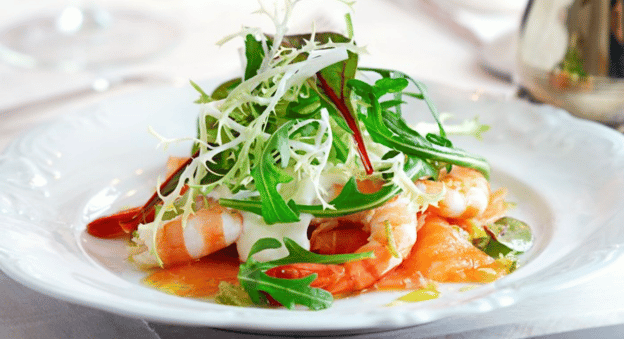

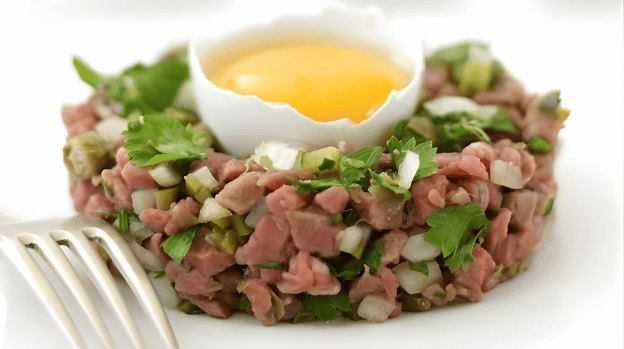
French cuisine is celebrated worldwide for its elegance, refined flavors, and artistic presentation, and at the heart of this culinary tradition lies the starter, or entrée. Serving as the first course of a meal, French starters are thoughtfully designed to awaken the appetite, introduce delicate flavors, and prepare the palate for the courses that follow.
From crisp salads and rich pâtés to comforting soups and savory tarts, these dishes combine freshness, balance, and visual appeal. Whether enjoyed in a casual family setting or a formal dining experience, French set the tone for the entire meal, embodying centuries of culinary expertise and creativity. starters perfectly blend freshness, flavor, and visual elegance.
Each dish is thoughtfully prepared to awaken the appetite and introduce the meal with subtle, balanced tastes. Whether enjoyed at a casual family gathering or a formal dining event, these starters set the tone for the courses that follow. Rooted in centuries of culinary tradition, they showcase the artistry, creativity, and sophistication of French cuisine.
| Section | Key Points |
| What Are French Starters? | Light, refined, and thoughtfully prepared; can be cold or hot; focuses on balanced flavors, textures, and presentation; sets the tone for the meal. |
| Types of French Starters | Cold Starters: salads, pâtés, seafood, and cold vegetables. Hot Starters: soups, baked pastries, grilled seafood, and cheese-based dishes. |
| Popular French | Salade Niçoise: tuna, eggs, tomatoes, olives, green beans, and anchovies. French Onion Soup: caramelized onions, beef broth, toasted bread, and Gruyère cheese. Quiche Lorraine: eggs, cream, bacon, and cheese in a pastry crust. |
| Common Ingredients | Fresh herbs, soft and hard cheeses, butter, cream, seasonal vegetables, seafood, cured meats, and baguette/artisan bread. |
| Presentation & Servings | Small portions, beautifully arranged, paired with fresh bread and wine, served after an aperitif and before the main course. |
| When Served | Family dinners, holiday celebrations, formal meals, and weddings are part of the traditional French multi-course sequence: aperitif → starter → main → cheese → dessert. |
| Health Benefits | Fresh vegetables, lean proteins, minimal processed ingredients, balanced portions, and foods rich in vitamins and omega-3s promote mindful eating. |
| Global Popularity | Admired for flavor, simplicity, and visual appeal, they reflect centuries of tradition and elevate dining into a memorable experience. |
| Modern French Starters | Fusion-style salads, deconstructed soups, vegan pâté alternatives, and artistically plated appetizers blend tradition with creativity, especially in Parisian restaurants. |
What Are French Starters?
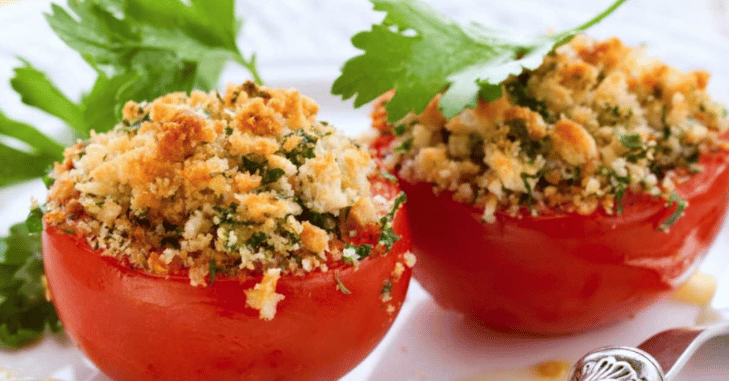
In French cuisine, a starter, known as an entrée, is the elegant first course served before the main dish, designed to awaken the appetite gently and set the tone for the meal. Unlike in countries where the word “entrée” refers to the main course, in France, it specifically means an appetizer. French starters are typically light, refined, and thoughtfully prepared, focusing on fresh ingredients and perfectly balanced flavors.
Whether served cold as a delicate salad or warm as a comforting soup, their purpose is not to completely satisfy hunger but to gently awaken the palate. They create a delightful sense of anticipation, teasing the palate with delicate textures and refined flavors. Each bite gently prepares you for the richness and complexity of the main courses to come. In this way, transform the beginning of a meal into an elegant and memorable experience.
Types of French Starters
The French are divided into several categories:
1. Cold Starters (Entrées Froides)
- Served chilled or at room temperature to provide a refreshing beginning to the meal.
- Designed to gently stimulate the appetite without feeling heavy or filling.
- Focus on fresh, high-quality ingredients with natural flavors.
- Prepared using light dressings, subtle herbs, and delicate seasonings.
- Beautifully presented with attention to color, texture, and arrangement.
- Include crisp seasonal salads made with fresh vegetables.
- Feature-rich pâtés and terrines are often served with crusty bread or baguette slices.
2. Hot Starters (Entrées Chaudes)
- Soups such as onion, vegetable, or seafood-based varieties are common choices.
- Baked pastries like savory tarts and puff pastries offer a crisp exterior with soft fillings.
- Grilled seafood provides a delicate yet flavorful warm option.
- Cheese-based dishes add richness and depth and are often baked until golden and bubbly.
- Perfect for cooler weather or formal dining occasions where warmth enhances the experience.
Popular French Starters
Here are some of the most famous and traditional French starters enjoyed around the world. These dishes beautifully represent the richness, elegance, and diversity of French cuisine. From light and refreshing salads to warm and comforting soups, each starter is crafted to awaken the senses. Loved both in France and internationally, these classics continue to inspire chefs and delight food lovers everywhere.
Salade Niçoise
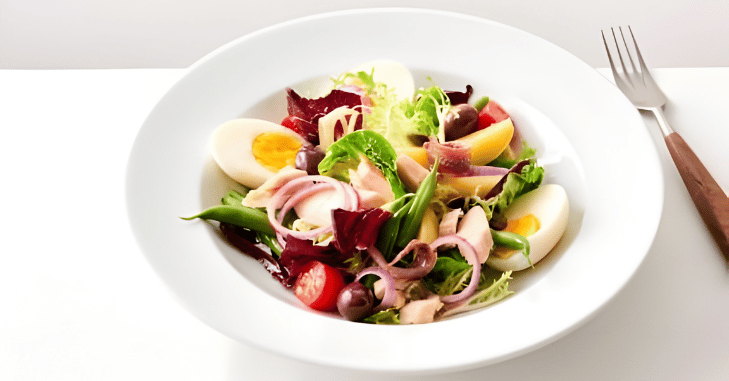
Originating from the beautiful city of Nice in southern France, Salade Niçoise is one of the most iconic French cold starters. This vibrant and colorful salad typically includes tuna, boiled eggs, fresh tomatoes, olives, green beans, and anchovies, creating a perfect balance of protein and vegetables.
French Onion Soup
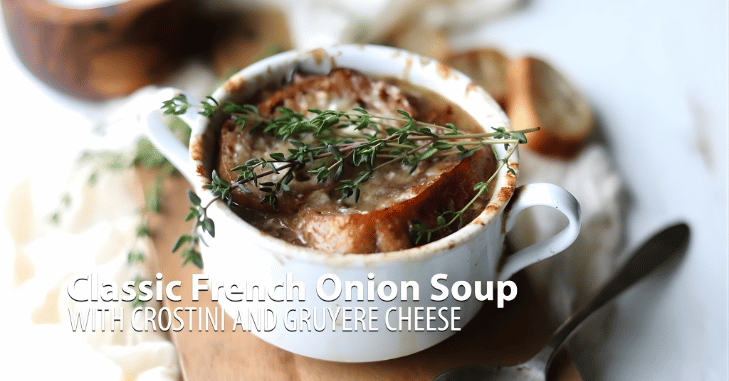
French onion soup is a rich and comforting hot starter that perfectly represents traditional French cuisine. It is made with slowly caramelized onions simmered in flavorful beef broth, then topped with toasted bread and generous melted Gruyère cheese. The soup is baked until the cheese forms a golden, bubbly crust on top.
Quiche Lorraine
Quiche Lorraine is a classic French savory tart known for its rich, creamy filling. Made with eggs, fresh cream, crispy bacon (lardons), and cheese, it is baked in a flaky pastry crust until perfectly golden. This versatile dish can be served warm or cold, making it suitable for both casual lunches and formal dinners.
Ingredients Commonly Used in French Starters
French starters focus on fresh and high-quality ingredients such as:
- Fresh herbs (thyme, parsley, tarragon)
- Soft and hard cheeses
- Butter and cream
- Seasonal vegetables
- Seafood and cured meats
- Baguette or artisan bread
The emphasis is always on natural flavor rather than heavy spices.
Pâté – A Classic French Starter
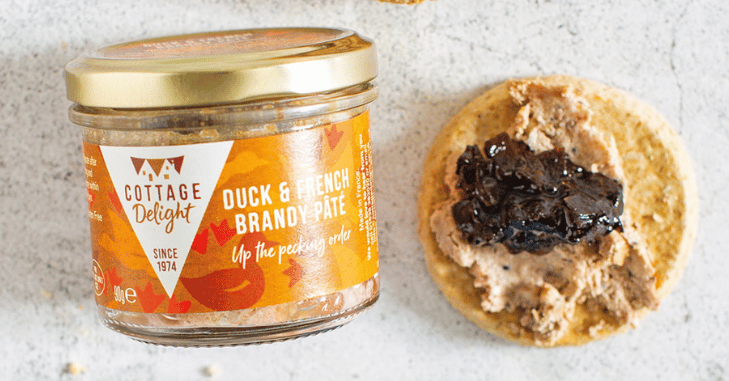
Pâté is a quintessential French starter, renowned for its rich flavors, smooth texture, and elegant presentation. Traditionally made from finely or coarsely ground meats such as pork, chicken, or duck liver, it is often seasoned with herbs, spices, and sometimes enriched with wine or brandy. Pâté comes in many varieties, including the rustic pâté de campagne, the luxurious foie gras, and even vegetarian versions made from mushrooms, lentils, or nuts.
Served cold or at room temperature, it is usually accompanied by crusty bread, crackers, or pickles, making it a perfect appetizer to awaken the palate. Beyond its taste, pâté reflects the artistry and tradition of French cuisine, combining texture, flavor, and presentation to create a refined starter that sets the tone for the meal to follow.
Presentation and Serving Style
French cuisine is known for its elegant plating. Starters are usually
- Served in small portions
- Beautifully arranged
- Accompanied by fresh bread
- Paired with wine
In formal dining, starters are served after the aperitif and before the main course.
When Are French Starters Served?
French is a key part of many dining occasions, ranging from casual family dinners to grand celebrations such as holidays, weddings, and formal restaurant meals. They are thoughtfully served at the beginning of a multi-course French menu to awaken the appetite gently and set the tone for the meal.
In a traditional French dining sequence, the starter (entrée) follows the aperitif and comes before the main course, cheese course, and dessert. By introducing flavors, textures, and presentation early on, the French enhance the overall dining experience and create anticipation for the courses that follow.
Health Benefits of French Starters
- Often made with fresh, seasonal vegetables that provide essential vitamins and minerals.
- Include lean proteins such as seafood, eggs, or poultry for a nutritious start to the meal.
- Avoid heavy use of processed ingredients, keeping dishes light and wholesome.
- Emphasize balanced portion sizes, preventing overeating while still satisfying the appetite.
- Salads and seafood-based starters are rich in antioxidants and omega-3 fatty acids, supporting overall health.
- Promote mindful eating by combining flavor, nutrition, and elegance in each dish.
Why French Starters Are So Popular Worldwide?
French starters are celebrated around the world for their perfect balance of flavor and simplicity. Their elegant presentation makes them visually appealing, while the variety of ingredients ensures there is something to delight every palate. Rooted in centuries of culinary tradition, these starters not only introduce the meal but also transform dining into a memorable experience.
By combining exquisite taste, artistic presentation, and rich cultural tradition, the French remain a source of inspiration worldwide. Chefs and food enthusiasts alike admire their elegance and creativity. These appetizers continue to celebrate the timeless charm and sophistication of French cuisine.
Modern French Starters
- Blend traditional French techniques with innovative and creative approaches.
- Include fusion-style salads that combine flavors from different cuisines.
- Feature deconstructed soups that highlight individual ingredients and textures.
- Offer vegan and plant-based pâté alternatives for diverse dietary preferences.
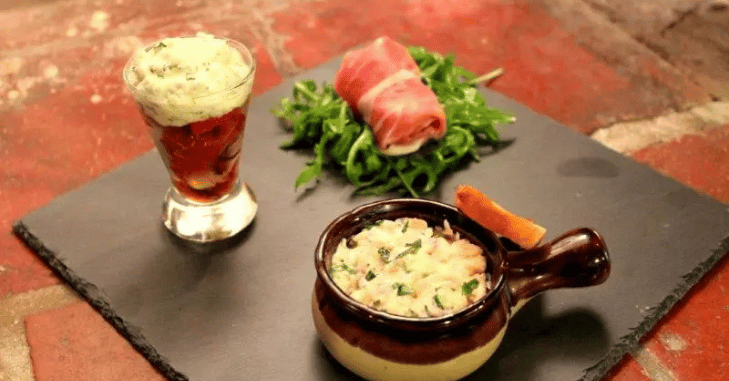
- Present artistic plated appetizers with attention to color, composition, and visual appeal.
- Contemporary restaurants, especially in Paris, experiment with texture, flavor contrasts, and modern presentation while honoring classic French culinary methods.
- Designed to surprise and delight diners, making the starter an exciting start to the meal.
Conclusion
French starters are much more than mere appetizers—they are a celebration of taste, artistry, and tradition. Combining fresh, high-quality ingredients with elegant presentation and balanced flavors, they provide a perfect introduction to any meal. From timeless classics like Salade Niçoise, French Onion Soup, and Quiche Lorraine to modern innovations such as fusion salads and deconstructed soups, these starters continue to captivate food lovers worldwide.
By awakening the senses and sparking anticipation for the courses ahead, the French turn every meal into a memorable culinary journey. Their carefully balanced flavors, textures, and presentations engage both the palate and the eyes. Each dish reflects the artistry and tradition of French cuisine, blending elegance with taste.
Want to know about Starter Ideas: A Complete Guide to Turning Small Beginnings into Meaningful Success Check out our Food category.
FAQs
Some or all of the following dishes can be found on a typical French menu, sometimes called amuse-bouche or amuse (taster), literally meaning “something to whet your appetite.
Within each category, appetizer examples include tiny meals, fruit dips, pickled vegetables, bite-sized dishes, seafood mixes, and light soups.
In France, we refer to the pre-dinner nibbles and beverages as “apéritif.” I have a whole chapter in my first cookbook dedicated to this routine because it is so very popular.
These French main courses, including duck à l’orange, cassoulet, bouillabaisse, coq au vin, and more, are prepared by renowned chefs such as Jacques Pépin, Julia Child, Daniel Boulud, and Eric Ripert and attest to the cuisine’s sophisticated tradition.
The pleasant crunch of a fresh baguette crust, the rich bite of dark chocolate, and a smear of salted butter melting into the soft center make the basic baguette with chocolate a snack that is difficult to resist. It was a ritual that signaled the gradual shift from school day to evening.